
PromptSpectra
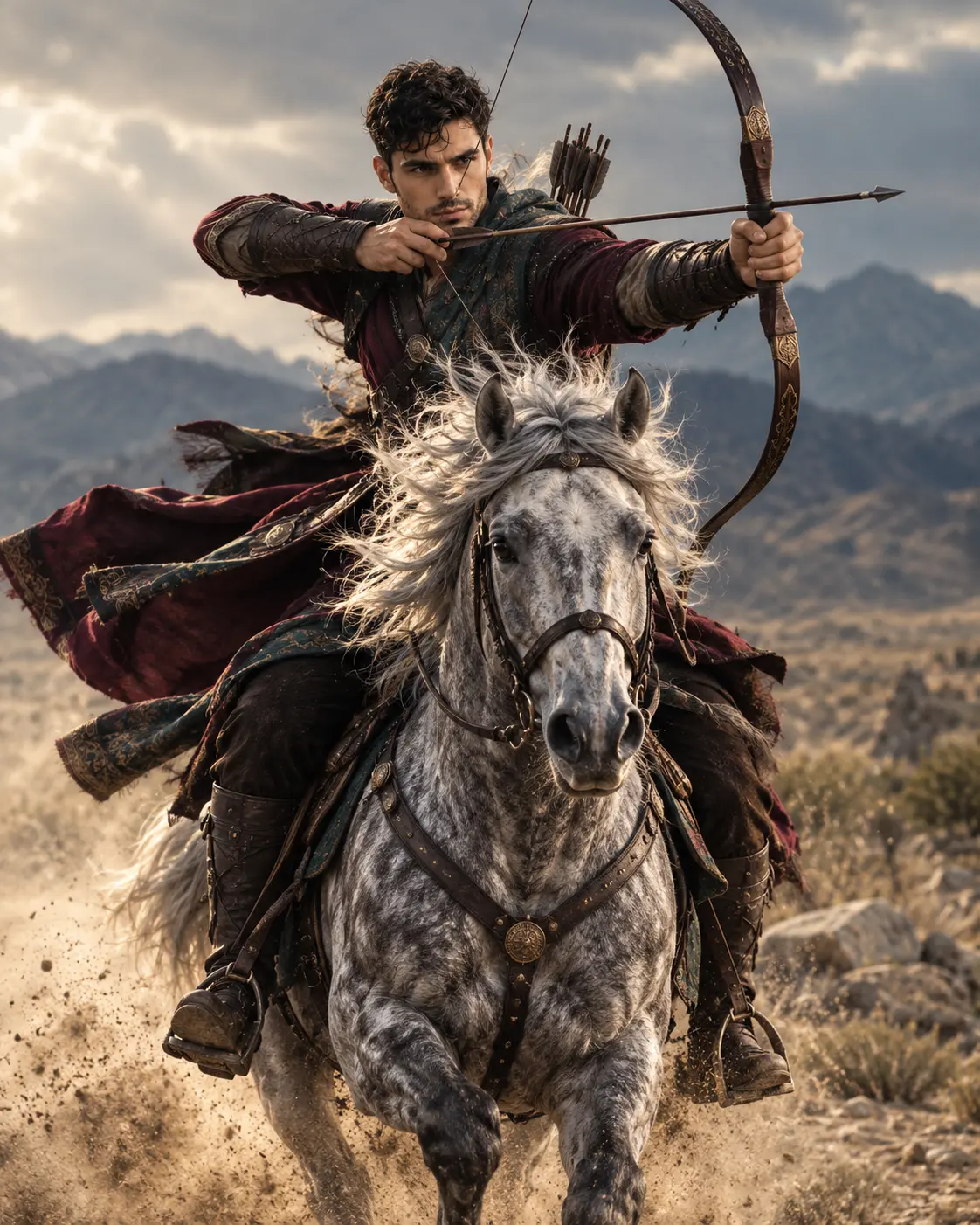
A photorealistic cinematic fantasy portrait made from your own photo, showing you as a skilled mounted archer on a dapple-grey horse at full gallop. You draw a recurve bow while dust explodes under the hooves, your hair and layered burgundy and charcoal costume stream in the wind, and the rugged plains and smoky-blue mountains stretch behind you. The look is a dark, rich historical fantasy film still, with your face, skin tone and identity kept true to your photo. The prompt adapts automatically for women, men and gender-neutral looks, including hair, facial hair and costume cut. It suits profile pictures, fantasy art, epic social media posts and gifts.
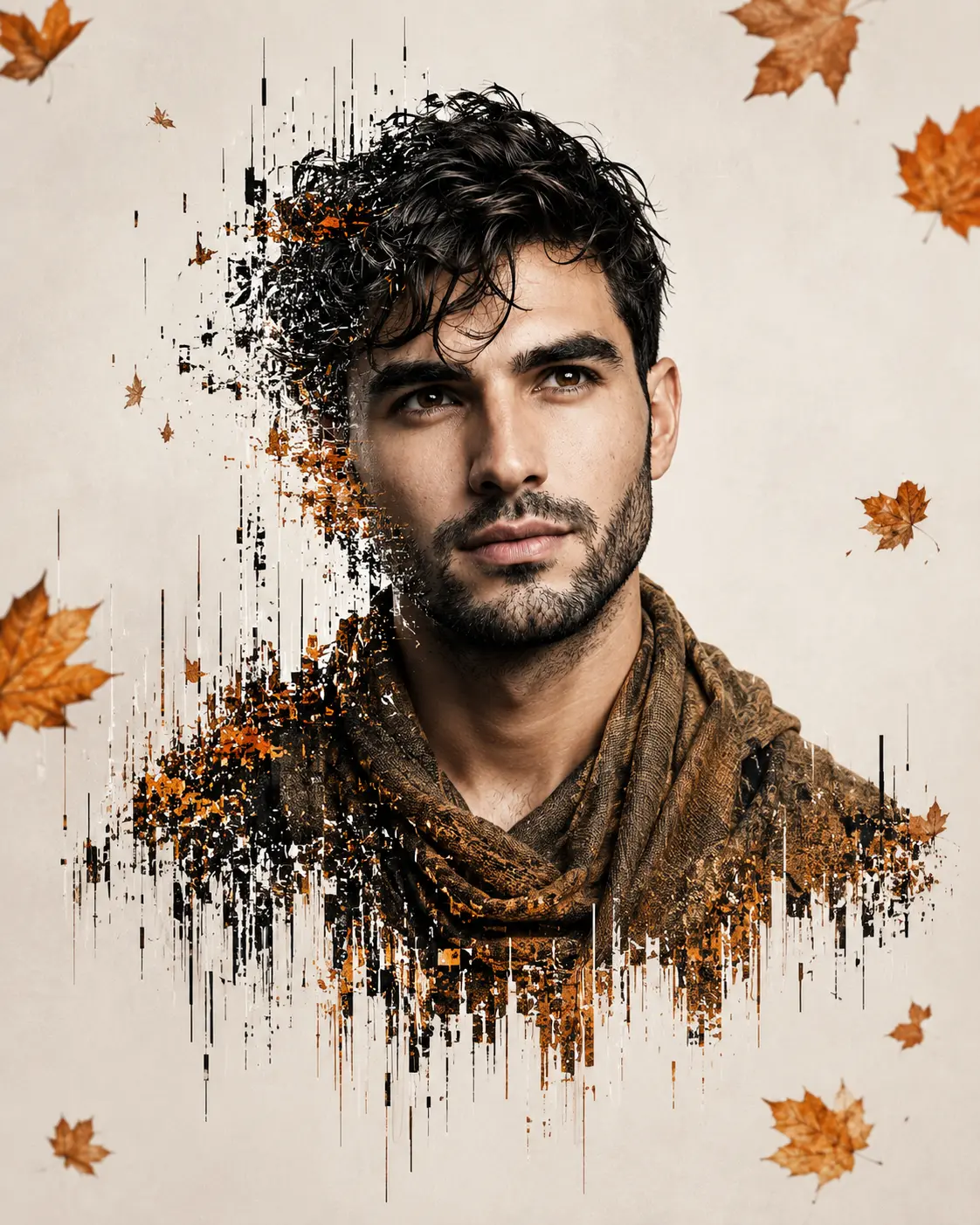
A conceptual portrait where the hair and clothing dissolve into a digital glitch effect blended with warm autumn leaves — sharp photorealistic face contrasted with data-fragment texture.
Use the user's uploaded photograph as the primary identity reference for the main human subject. Transform that person into a powerful, skilled fantasy horseback archer riding a magnificent horse at full gallop across a rugged, dusty landscape. Preserve the uploaded person's recognizable facial identity while recreating the action, composition, costume aesthetic, horse, environment, and cinematic atmosphere described below. The final result must be a premium, photorealistic cinematic fantasy action portrait with dramatic movement, believable anatomy, realistic horse musculature, intricate traditional-inspired clothing, flying dust, wind-swept hair, and a sophisticated darker color palette. The image should feel like a frame from a high-budget historical fantasy film, with natural textures, powerful action, atmospheric depth, and exceptional visual detail. 1. FACIAL IDENTITY AND REFERENCE ADAPTATION Use the uploaded photograph to determine the subject's identity. Preserve their recognizable facial structure, face shape, eyes, nose, lips, jawline, eyebrows, natural skin tone, apparent adult age, and other visible identifying characteristics. Maintain a believable resemblance to the reference person rather than creating a random fantasy character. Adapt the hairstyle, facial hair, clothing, body styling, and overall gender presentation naturally to the uploaded subject. For a masculine-presenting person, create a convincing masculine fantasy archer while preserving the person's actual facial features. For a feminine-presenting person, create a convincing feminine fantasy archer without changing their identity. For an androgynous or gender-neutral person, preserve the existing presentation without forcing exaggerated gender characteristics. Do not automatically add a beard, remove facial hair, lengthen hair, apply makeup, or introduce gender-specific features that conflict with the reference. The warrior aesthetic must work for all genders. Skin tone must remain faithful to the uploaded photograph. Preserve the person's natural complexion and undertones rather than automatically making every subject fair, pale, or light-skinned. If the reference shows a darker complexion, retain it accurately. If the reference shows a lighter complexion, retain that person's natural appearance as well. The requested darker visual direction refers primarily to the overall cinematic lighting, richer shadows, deeper colors, and mood—not artificially darkening or bleaching the person's skin. Use realistic skin texture, subtle pores, natural highlights, and physically believable light reflections. The face should remain clearly visible and recognizable despite the dramatic lighting, movement, and action pose. Avoid face distortion, excessive beautification, artificial skin smoothing, or an unrelated model-like appearance. 2. ACTION POSE AND ARCHERY Position the subject riding a powerful horse that is galloping at high speed toward the foreground, with its body angled slightly toward the viewer and its head turned subtly toward one side. Capture the horse during a dynamic running stride, with its front legs lifted and extended naturally, its hind legs pushing powerfully against the ground, and dust exploding beneath its hooves. The subject sits securely in the saddle with a strong, balanced riding posture. The torso is slightly rotated to support an archery stance. One arm extends forward to hold a traditional curved bow upright, while the other arm draws the bowstring backward, holding a single arrow close to the face and aiming toward an unseen target off-camera. The arrow should be straight, aligned convincingly with the bowstring, and directed away from the subject's body. Show believable finger placement, grip pressure, elbow positioning, shoulder engagement, and wrist angles. The pose should communicate concentration, precision, courage, and controlled power. The subject's gaze is focused intensely along the arrow's direction. The expression is determined and composed, with naturally focused eyes and realistic facial tension. Keep the face expressive but not exaggerated. Allow the subject's long hair, loose fabric, decorative sash, and costume panels to stream backward in the wind. These flowing elements should reinforce the forward momentum of the horse without obscuring the face, bow, arrow, or important body contours. Maintain realistic anatomy, a stable riding position, correct bow geometry, coherent hand placement, and believable interaction between the rider, saddle, reins, and horse. 3. GENDER-ADAPTIVE FANTASY WARRIOR COSTUME Create an elaborate, historically inspired fantasy archer outfit featuring layered fabrics, embroidered patterns, structured leather elements, subtle metal ornaments, and practical riding garments. The clothing should feel handcrafted, culturally inspired without claiming a specific historical culture, and appropriate for an elite mounted archer. Use a darker, richer color palette than a conventional bright fantasy costume. The primary garment colors should include deep burgundy, dark oxblood red, charcoal, antique bronze, muted forest green, and small accents of aged gold. Use warm ivory or sand-colored fabric sparingly as a secondary contrast rather than making it the dominant color. The upper garment should feature layered, fitted or semi-fitted fabric with flowing sleeves adapted to the subject's presentation. Include intricate embroidery in antique gold, subdued copper, deep teal, and muted crimson. The patterns may incorporate geometric motifs, fine woven borders, and traditional-inspired ornamental details. Add a decorative waist belt with engraved metal fittings, leather straps, small medallions, and realistic aged-bronze accents. The belt should sit naturally around the waist, following the subject's posture without distorting the torso. Use layered trousers, fitted riding pants, or a practical long tunic with split panels that allow natural movement while mounted. Incorporate sturdy leather boots or riding footwear, textured leather bracers, and protective wrist guards suitable for archery. For feminine-presenting subjects, the outfit may incorporate an elegant layered tunic, flowing embroidered panels, and a tailored silhouette while remaining practical for horseback archery. For masculine-presenting subjects, the outfit may use a structured warrior tunic, layered leather protection, and a more angular garment silhouette where appropriate. For androgynous subjects, use a balanced, functional design. These variations must remain stylistic adaptations, not rigid gender stereotypes. Preserve the reference person's natural body proportions and ensure the outfit looks wearable, functional, and coherent. 4. DARKER COLOR PALETTE AND MATERIAL DETAIL Replace the brighter, more saturated fantasy colors with a sophisticated, dark cinematic palette: Deep burgundy and oxblood red for the primary flowing fabric. Charcoal black and dark espresso brown for leather, belts, and protective elements. Antique bronze and aged gold for ornaments, buckles, medallions, and embroidery. Deep forest green and muted teal for secondary textile patterns. Warm taupe, dark sand, and dusty brown for the landscape. Natural ivory, silver-grey, or dappled grey for the horse. Smoky blue-grey for distant mountains and the sky. Use color contrast selectively. Keep the face, horse's head, bow, and upper-body action visually readable against the darker costume and environment. The metallic ornaments should have restrained warm highlights rather than excessive bright gold or mirror-like shine. Give the fabrics visible woven fibers, layered folds, embroidered seams, and realistic weight. Leather should display subtle grain, worn edges, stitching, and naturally varied brown-black tones. Metal decorations should appear aged, engraved, and physically believable. The darker treatment should feel rich and atmospheric, not underexposed. Preserve shadow detail in the subject's face, costume, horse, and surrounding landscape. 5. HORSE DESIGN AND APPEARANCE Place a magnificent, muscular horse beneath the rider, captured in a powerful galloping stride. Use a natural dapple-grey horse with a predominantly silver-grey coat, subtle charcoal dappling, darker grey shading around the neck and legs, and a flowing pale-grey mane and tail. The coat should have realistic hair texture, natural highlights, and intricate anatomical transitions around the shoulders, chest, joints, and muzzle. Give the horse a strong but anatomically correct head, expressive dark eyes, upright ears, a natural muzzle, detailed nostrils, and believable facial proportions. Its mane and tail should stream dramatically backward in response to the wind and forward movement. Fit the horse with an ornate but practical traditional-inspired bridle and saddle. Include dark brown leather straps, antique-bronze buckles, subtle engraved medallions, layered saddle blankets, and richly embroidered textile panels in burgundy, forest green, charcoal, and muted gold. Decorative ornaments should follow the horse's anatomy and tack placement. Ensure the saddle, stirrups, rider's boots, reins, and bridle connect correctly and appear functional. Preserve realistic horse anatomy: correct limb count, natural joint bending, proportionate hooves, coherent musculature, and a believable galloping gait. The horse should feel powerful and alive, not like a static decorative prop. 6. BOW, ARROW, AND ARCHERY EQUIPMENT Use an elegant traditional recurve-style bow with a dark walnut or deep reddish-brown finish, subtle antique-bronze fittings, and a taut bowstring. Its curved silhouette should be clearly visible against the sky and landscape. Include one well-defined arrow with a straight wooden or dark-finished shaft, a small arrowhead, and realistic fletching. Align the arrow with the bowstring and the subject's aiming direction. The drawing hand should hold the string correctly, and the bow hand should grip the handle naturally. Add realistic leather forearm bracers, restrained decorative engraving, and subtle wear from use. Avoid oversized fantasy weapons, glowing magical arrows, excessive ornaments, or implausible bow mechanics unless specifically required by a separate creative direction. The bow and arrow must remain visually distinct from the rider's hair and costume. Ensure the string is visible where appropriate and that the weapon's geometry remains consistent throughout the image. 7. LANDSCAPE AND ENVIRONMENT Set the scene in a vast, rugged open landscape with dry earth, dusty plains, scattered grasses, low shrubs, and distant rolling mountains. The ground should consist of warm brown soil, muted ochre sand, dark earth patches, and small stones. Create a cloud of dust beneath and behind the galloping horse. Show individual particles, small clumps of earth, and fine dust trails suspended in the air. The particles should follow the horse's direction and hoof impact, creating a convincing sense of speed without obscuring the legs or lower body. In the middle and far distance, add soft layers of muted brown and smoky blue-grey hills. Use natural atmospheric perspective to make the distant terrain softer, less detailed, and slightly cooler than the foreground. The sky should be subdued and cinematic, with dusty pale blue, muted slate blue, soft grey, and restrained warm highlights near the horizon. Keep the sky bright enough to separate the silhouette of the bow, arrow, and wind-blown hair while maintaining the darker overall mood. Avoid lush tropical vegetation, modern buildings, urban roads, visible crowds, or distracting objects. The landscape should feel expansive, wild, timeless, and suited to a fantasy mounted-archer scene. 8. LIGHTING AND CINEMATIC MOOD Use dramatic natural daylight with controlled cinematic contrast. Introduce soft directional sunlight from one side or slightly behind the subject, creating warm highlights on the horse's mane, the rider's hair, the upper edges of the costume, and the antique-metal ornaments. Allow deeper shadows beneath the horse, inside the folds of the clothing, and along the darker side of the landscape. Preserve enough fill light to keep the person's facial identity, eyes, and expression clearly visible. Create subtle atmospheric dust illuminated by the sunlight. The airborne particles should produce a natural glowing haze near the ground, with delicate light scattering rather than exaggerated fantasy effects. The mood should be intense, heroic, mysterious, adventurous, and cinematic. Use deep colors, restrained highlights, rich shadows, realistic material response, and carefully balanced contrast. Do not use crushed blacks, completely hidden facial features, excessive orange color grading, neon highlights, artificial lens flares, or oversaturated red tones. 9. COMPOSITION, CAMERA, AND MOTION Use a vertical 4:5 portrait composition, with the rider and horse filling most of the frame. Position the rider in the upper-middle region and the horse's head and chest prominently in the central foreground. Preserve the extended bow and arrow in the upper part of the image and keep the galloping legs and dust plume visible toward the bottom. Use a low-to-mid action photography viewpoint with a slightly frontal three-quarter perspective, giving the horse a strong sense of scale and forward momentum. The rider's face, aiming arm, bow, and horse's head should form a clear visual hierarchy. Use a cinematic telephoto-action-photography aesthetic with a sharply rendered main subject, realistic depth of field, and a softly blurred distant landscape. Apply motion primarily to the flowing hair, fabric, dust, and background atmosphere, while keeping the face, bow, arrow, and key horse anatomy sufficiently sharp. Maintain a clear separation between the rider and background. Keep the bow's upper curve inside the frame, the arrow fully readable, and the horse's head and important limbs visible. Avoid unintentionally cropping essential equipment or body parts. 10. PHOTOREALISM AND FINAL QUALITY Create an exceptionally detailed, photorealistic fantasy action portrait with realistic skin, natural hair strands, intricate embroidery, worn leather, aged metal, individual horse hairs, convincing musculature, accurate tack, and physically believable dust. Maintain a unified cinematic photographic style throughout the image. Every element should share consistent lighting, perspective, depth of field, and color grading. The final result should resemble a professionally captured still from a premium historical fantasy adventure film, with the uploaded person convincingly transformed into a mounted archer while retaining their recognizable identity and natural appearance. Prioritize facial identity preservation, gender adaptability, authentic skin tone, accurate anatomy, functional archery equipment, realistic horse movement, rich dark-burgundy and charcoal styling, and sophisticated cinematic lighting. FINAL REFERENCE INSTRUCTION: The uploaded photograph determines the human subject's identity, natural skin tone, facial characteristics, hairstyle, facial hair, and gender presentation. The scene description determines the horseback archery action, horse, costume aesthetic, environment, camera angle, and dark cinematic color palette. Do not copy the example subject's face, ethnicity, complexion, or gender presentation onto the uploaded person. If the image-generation system supports reference-image conditioning, use the uploaded photograph as the actual identity reference input, not merely as text. Negative Prompt: different person, identity loss, generic face, altered facial features, incorrect skin tone, artificial skin darkening, skin bleaching, forced gender transformation, exaggerated gender stereotypes, inappropriate facial hair, plastic skin, excessive beauty retouching, blurry face, deformed anatomy, extra limbs, extra fingers, missing fingers, fused fingers, malformed hands, broken wrists, incorrect bow grip, disconnected bowstring, bent arrow shaft, duplicated arrows, floating arrow, incorrect aiming alignment, malformed bow, unrealistic riding posture, floating rider, extra horse legs, missing legs, duplicated hooves, broken horse joints, deformed horse face, distorted muzzle, unrealistic musculature, disconnected reins, misplaced saddle, floating stirrups, excessive armor, modern clothing, modern weapons, futuristic equipment, bright neon colors, overly saturated red, excessive gold shine, flat lighting, crushed shadows, completely obscured face, artificial orange color grading, cartoon, anime, illustration, 3D render, video game graphics, low-detail textures, excessive motion blur, cluttered background, modern buildings, text, watermark, signature, logo, low resolution, compression artifacts.

Get more prompts in the app
PromptSpectra for Android, free on Google Play
1. Go to ChatGPT 2. Attach your reference photo (a clear, front-facing photo with good lighting works best) 3. Paste the full prompt above and send it 4. If the first result is not perfect, regenerate 2 to 3 times, as ChatGPT gives slightly different results each time 5. Optional: change the horse color, costume colors or landscape to suit your style
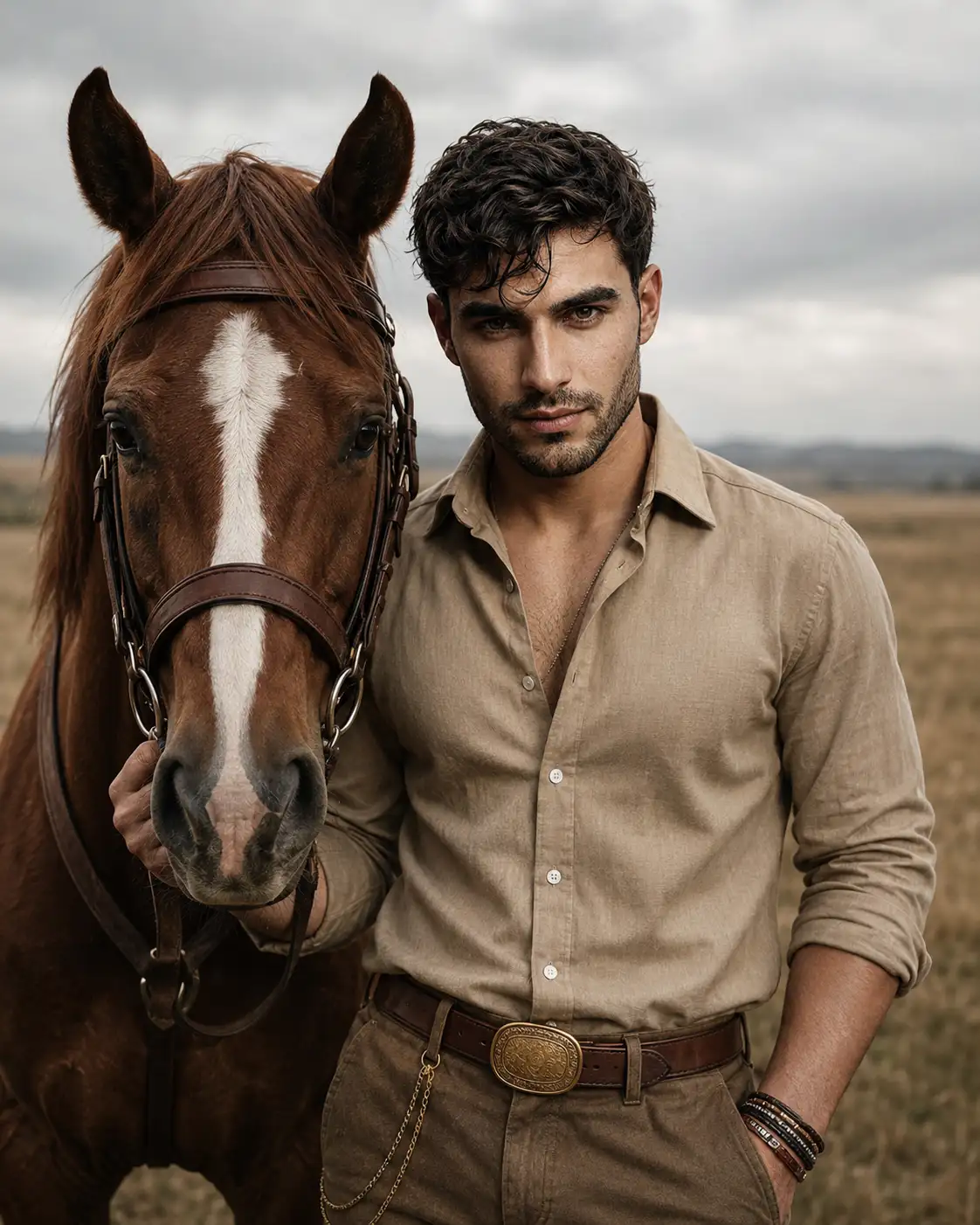
A cinematic, high-fashion equestrian portrait capturing a calm, confident presence beside a chestnut horse in an open overcast field, styled in earthy khaki tones with soft natural lighting.
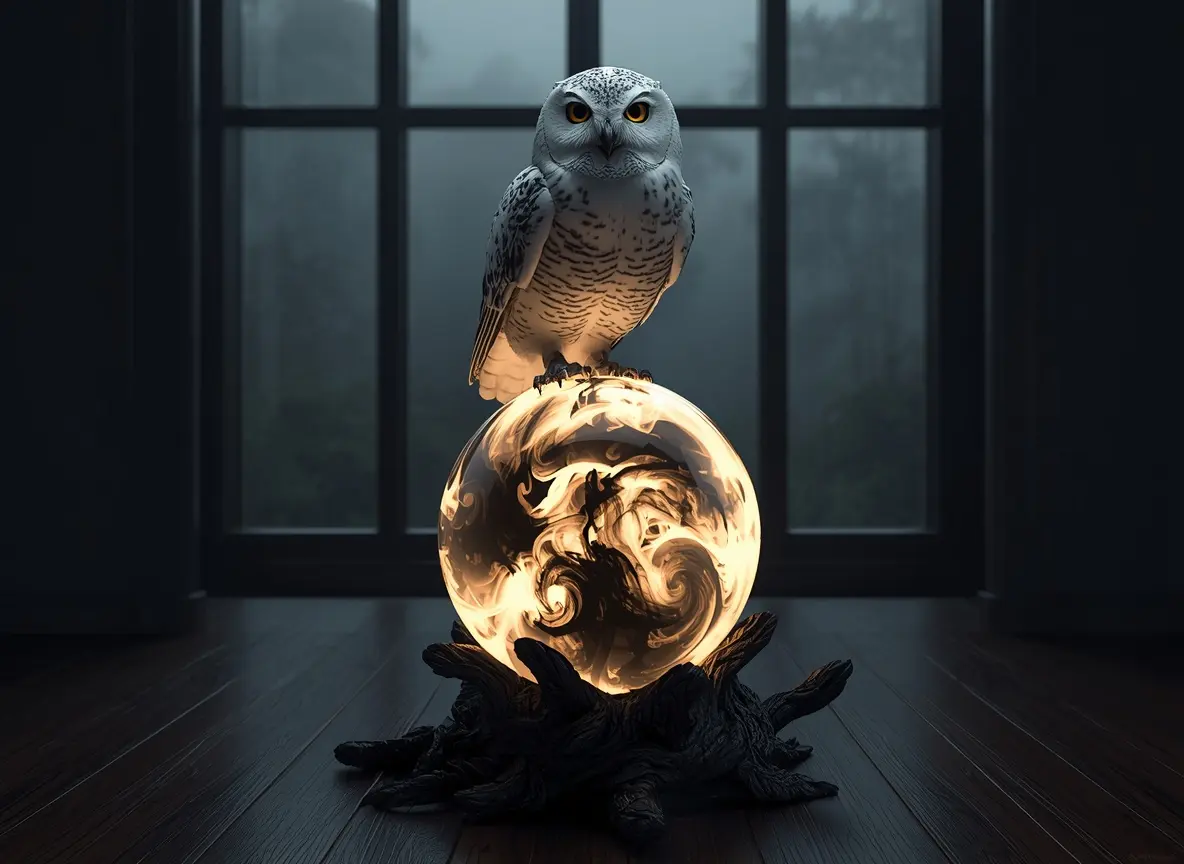
A moody, photorealistic white owl perched on a glowing crystal ball in a dim room, lit only by the ball's light, with a hazy jungle barely visible through a distant window.
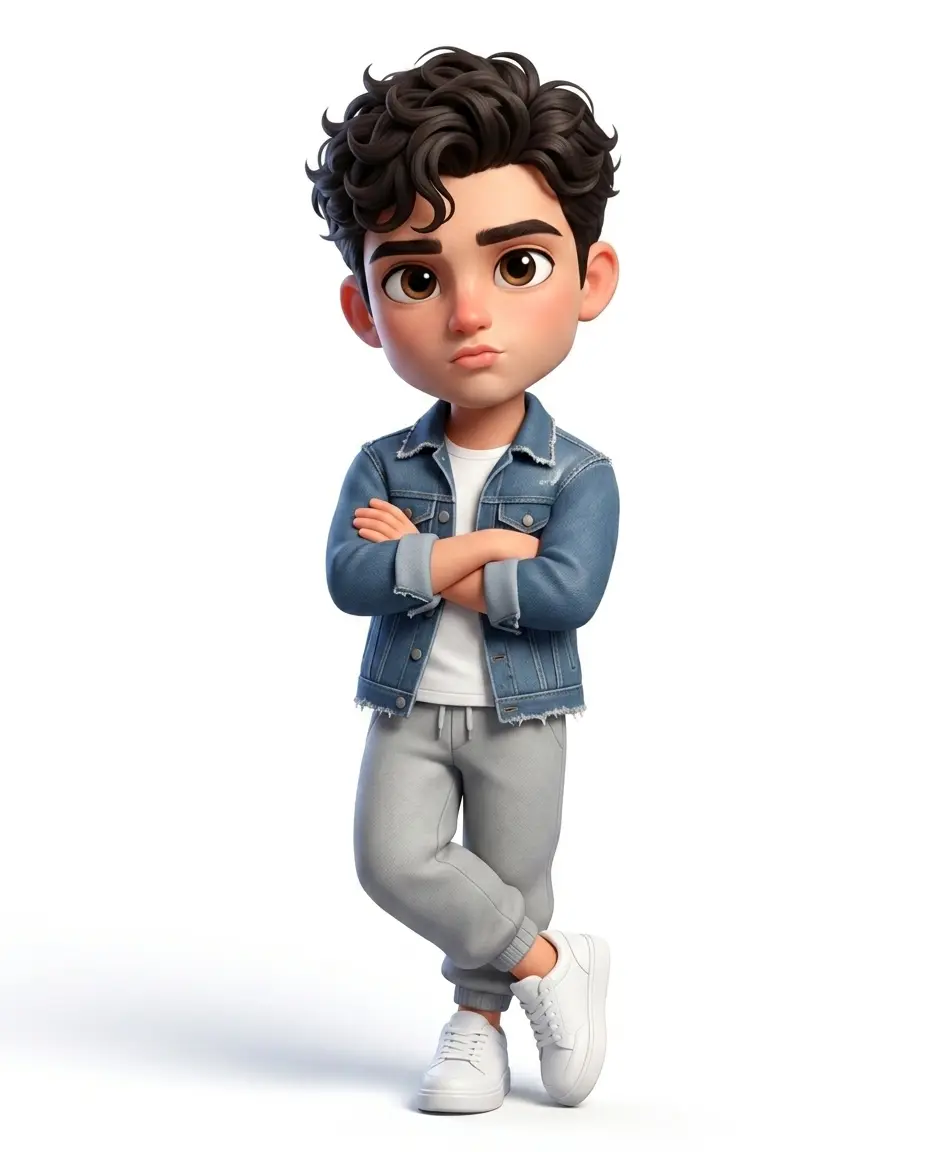
A Pixar-style 3D chibi caricature with oversized expressive eyes, a sassy crossed-arm pose, and a denim-jacket streetwear look — playful, gender-adaptive.
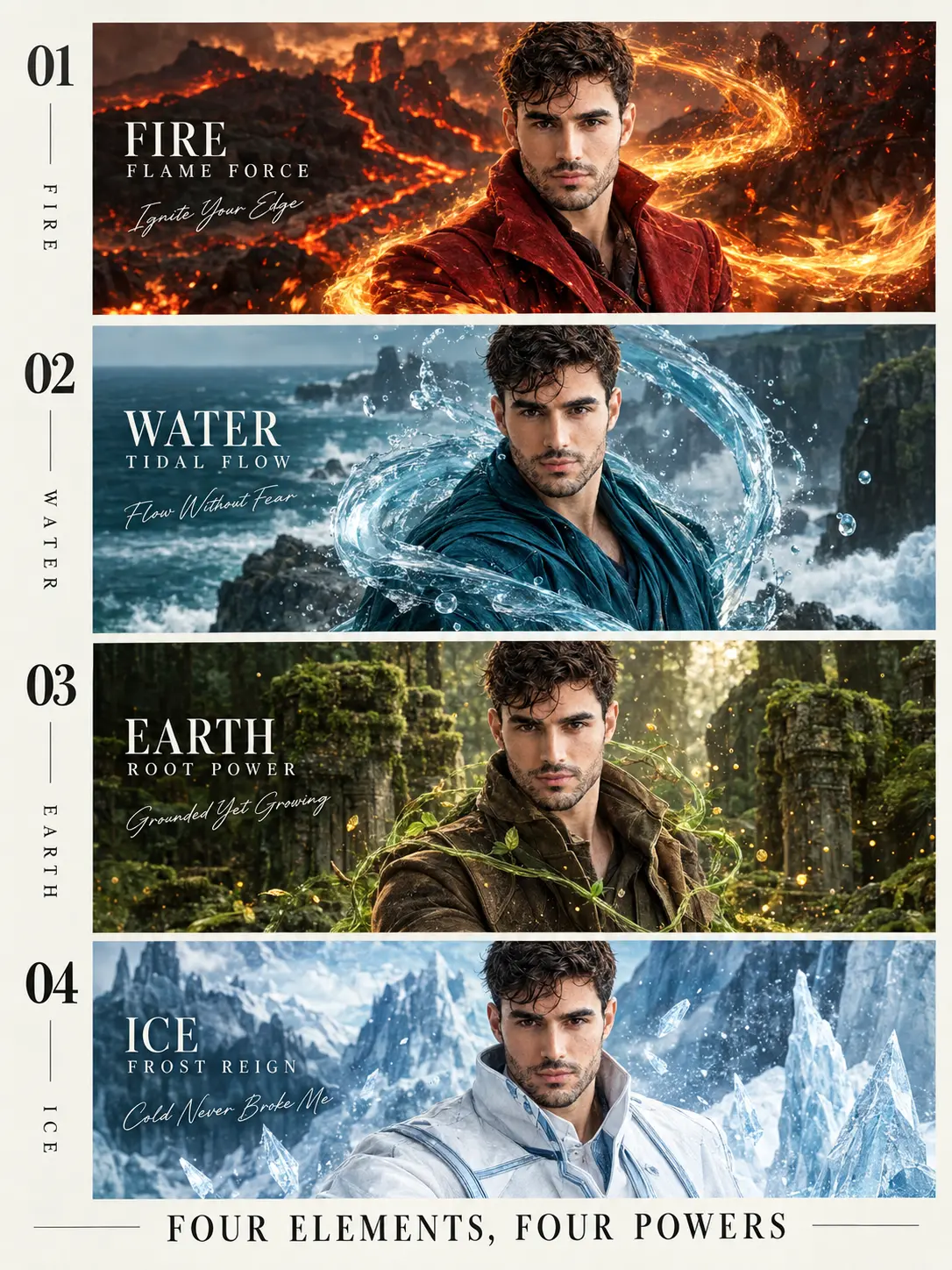
A premium 3:4 editorial campaign poster with four stacked panels showing the same subject across fire, water, earth, and ice elemental themes, styled in a luxury magazine layout.
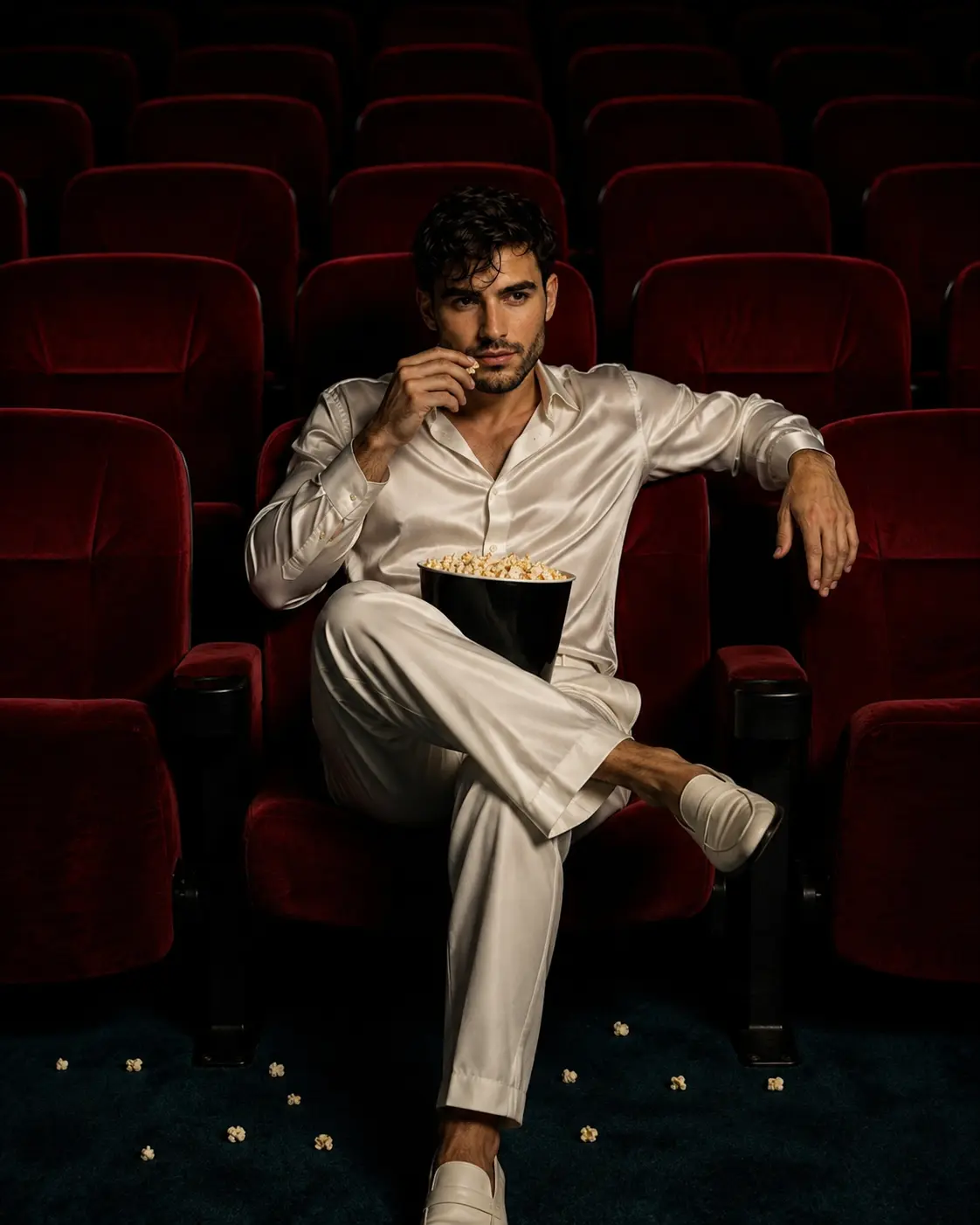
A glamorous, candid editorial portrait seated alone in a dark red-velvet movie theater, eating popcorn under moody cinematic lighting, with gender-adaptive pose and styling.